

What Is the Difference Between a Cold Sore and a Mouth Ulcer?
Many people are unsure about the difference between a cold sore and a mouth ulcer, but the two conditions are quite distinct.
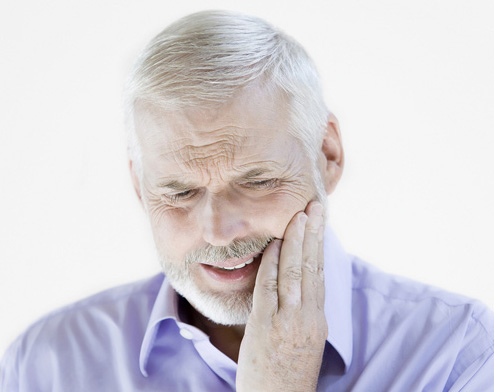
Cold sores usually develop on or around the lips, often near the border between the lips and the surrounding facial skin. Mouth ulcers develop inside the mouth, including on the cheeks, lips, tongue or gums.
Cold sores are caused by the herpes simplex virus, and the fluid within the blisters is highly contagious. Mouth ulcers are not normally contagious and are not caused by the same virus.
Common Symptoms of a Cold Sore
Symptoms can include:
- A tingling, itching or burning sensation around the lips
- Small fluid-filled blisters
- A sore throat
- Swollen lymph glands in the neck
- A raised temperature
- Tenderness around the affected area
Cold sores generally appear as small red blisters. They often burst after a few days before crusting over and gradually healing.
Avoid close contact with anyone who has an active cold sore, particularly when blisters are present. You should also avoid sharing personal items such as towels, lip products, cups and eating utensils.
Common Symptoms of a Mouth Ulcer
Symptoms can include:
- A tingling or burning sensation inside the mouth
- A round or oval sore with a white, yellow or grey centre
- A red or inflamed border around the ulcer
- Discomfort while eating, drinking or brushing
- Feeling physically unwell in more severe cases
Some symptoms can overlap, which helps explain why cold sores and mouth ulcers are sometimes confused. Their location is one of the clearest differences: cold sores usually develop outside the mouth, whereas mouth ulcers occur within it.
Most mouth ulcers heal without treatment within one or two weeks. However, you should contact Leeds City Dentalcare if an ulcer is particularly painful, continues to grow, repeatedly returns or makes eating and drinking difficult.
You should also arrange an assessment if a mouth ulcer has not healed within approximately three weeks. Although persistent ulcers are often caused by something minor, they should be examined to rule out a more significant underlying problem.
A dentist may recommend an antimicrobial mouth rinse, a protective product or another treatment to relieve discomfort, depending on the suspected cause.
What Causes Mouth Ulcers?
It is not always possible to identify exactly why a mouth ulcer has developed. Possible triggers include:
- Stress or tiredness
- Accidentally biting the inside of the cheek
- A sharp or damaged tooth
- Irritation from a filling or dental appliance
- Hormonal changes
- Certain foods
- Vitamin or mineral deficiencies
- Some medicines
- An underlying medical condition
Some people find that acidic or spicy foods trigger or aggravate mouth ulcers. Keeping a record of when ulcers appear and what you have recently eaten may help identify a pattern.
If you experience recurring mouth ulcers, it is worth arranging a general dentistry assessment. A dentist can check for sharp tooth edges, damaged restorations and other sources of repeated irritation.
Can Dental Appliances Cause Mouth Ulcers?
Poorly fitting dental appliances can rub against the soft tissues inside the mouth and cause persistent sore areas.
For example, loose or uncomfortable dentures may move while speaking or eating, irritating the gums and cheeks. Dentures should be assessed if they begin to feel unstable, create pressure points or repeatedly cause ulcers.
Brackets, wires and aligners used during orthodontic treatment can also occasionally irritate the lips or cheeks. Your dental team may be able to adjust the appliance or recommend orthodontic wax to protect the affected tissue.
It is worthwhile having a check-up to eliminate these possible causes. If no local source of irritation is found, your dentist may recommend speaking to your GP about other potential explanations.
Could Recurring Ulcers Indicate Another Health Problem?
Recurring mouth ulcers can sometimes be associated with a less effective immune response or deficiencies in nutrients such as vitamin B12, folate, iron or zinc. They have also been linked with gastrointestinal conditions, including Crohn’s disease and coeliac disease.
These associations do not mean that a recurring ulcer necessarily indicates a serious illness. Nevertheless, persistent or frequently returning symptoms should not be ignored.
A dental examination is a sensible first step, particularly when an ulcer is linked to a sharp tooth, damaged filling or uncomfortable appliance. To have a persistent mouth ulcer assessed, request an appointment with Leeds City Dentalcare.